In Paris, the metro is much more than transportation: it’s the heartbeat of the city. As a Frenchman, I rode it my whole life without a second thought… until, living in Guatemala, I realized just how special it is. Here’s its history and everything you need to know to use it on your next trip.
A bit of history
The Paris metro opened its doors on July 19, 1900, just in time for the World’s Fair. Behind the project was an engineer named Fulgence Bienvenüe, nicknamed “the father of the metro.” It quickly became part of Parisian identity, largely thanks to Hector Guimard, the architect behind those green cast-iron Art Nouveau entrances that are now a symbol of the city.
1900
The metro is born for the World’s Fair. The first line crosses Paris from one end to the other.
1910
The Great Flood of the Seine floods much of the metro, barely ten years after it opened.
1939–1945
It serves as an air-raid shelter. Several stations close and never reopen: today they’re known as “ghost stations.”
1998
Line 14 opens, the first one without a driver, fully automatic.
Today
16 lines, more than 300 stations, and the massive Grand Paris Express project under construction.
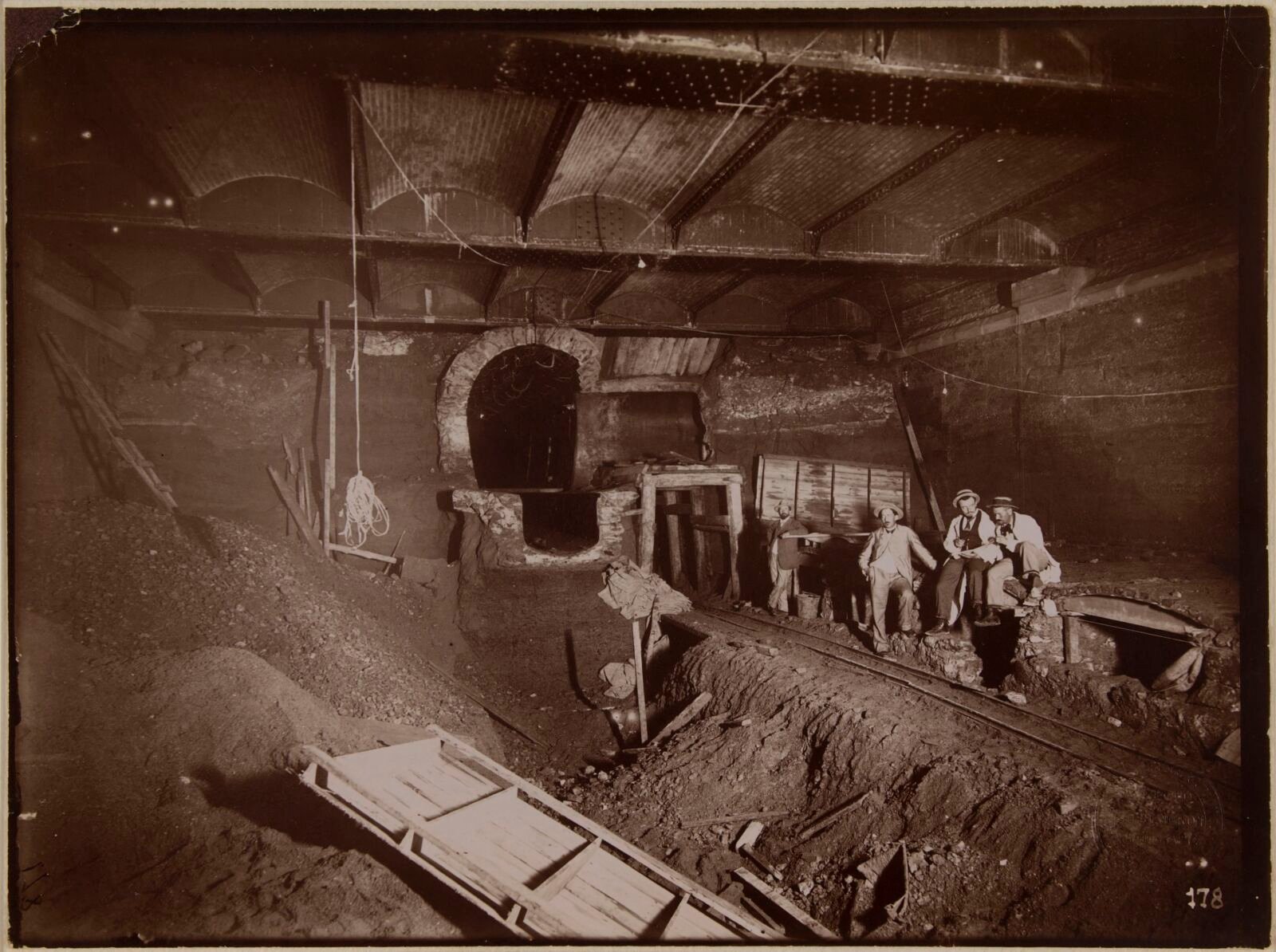
By the way: the word “metro” was born here, from Paris’s chemin de fer métropolitain (metropolitan railway). Today it’s used all over the world… even in Guatemala’s own “Transmetro.”
Getting around today
Using the Paris metro is simple. Since 2025 the pricing was simplified: a single ticket costs the same regardless of distance within the region (except for the airports).
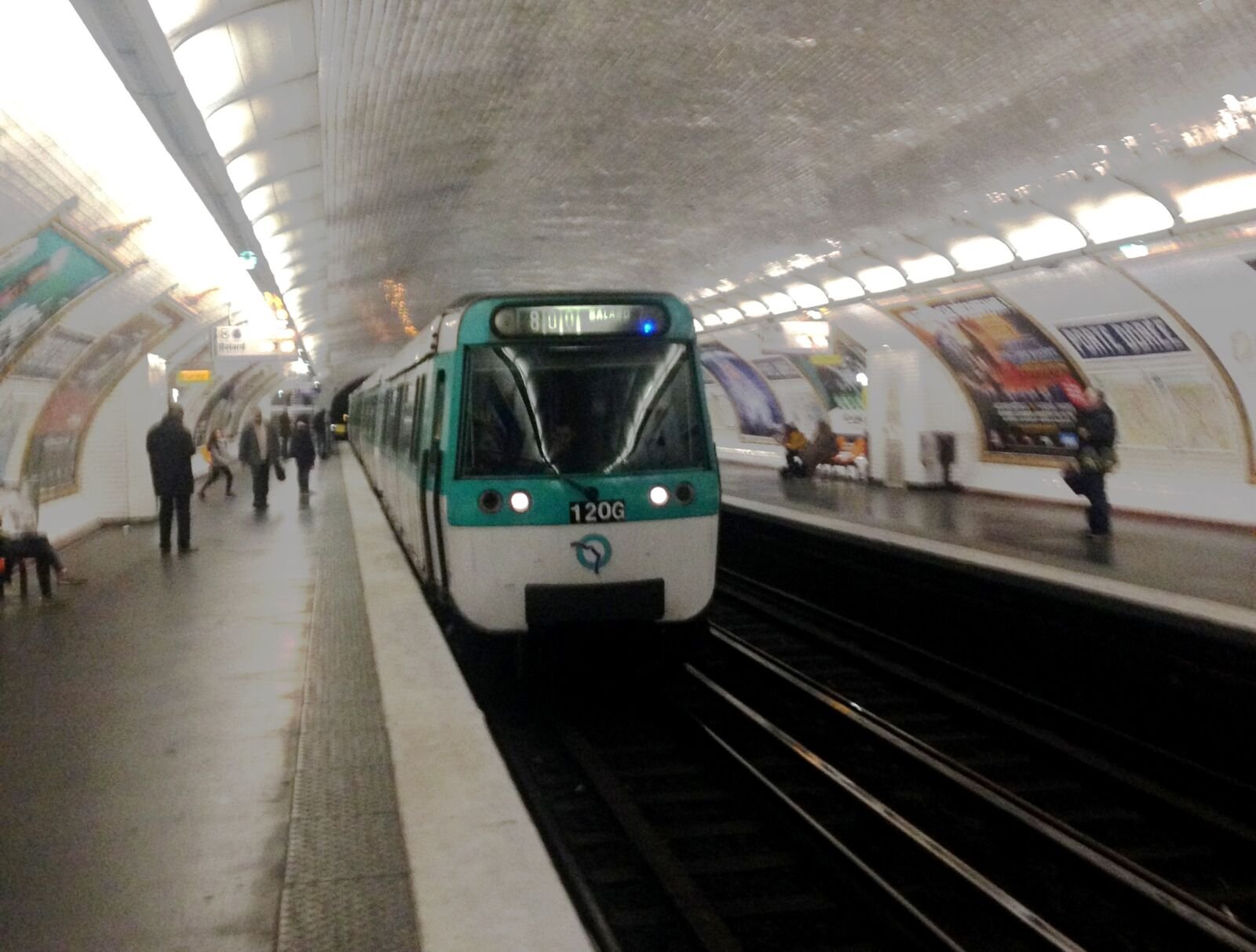
Practical guide: the Paris metro
€2.55
Ticket
€2.05
Bus
5:30–1:15
Hours
16
Lines
Goodbye to the paper ticket
A major, recent change: since late 2025 the traditional cardboard tickets are no longer sold, and since May 2026 they’re no longer accepted either. Today everything is digital.
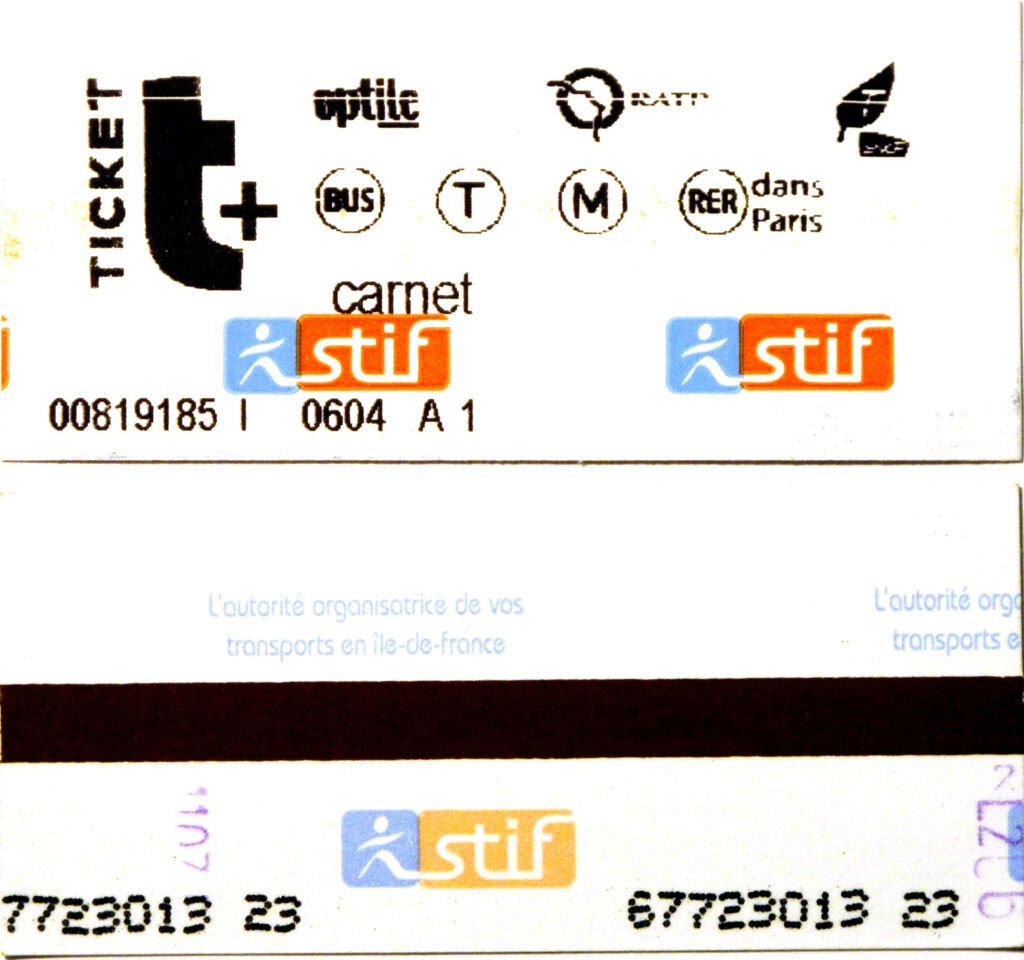
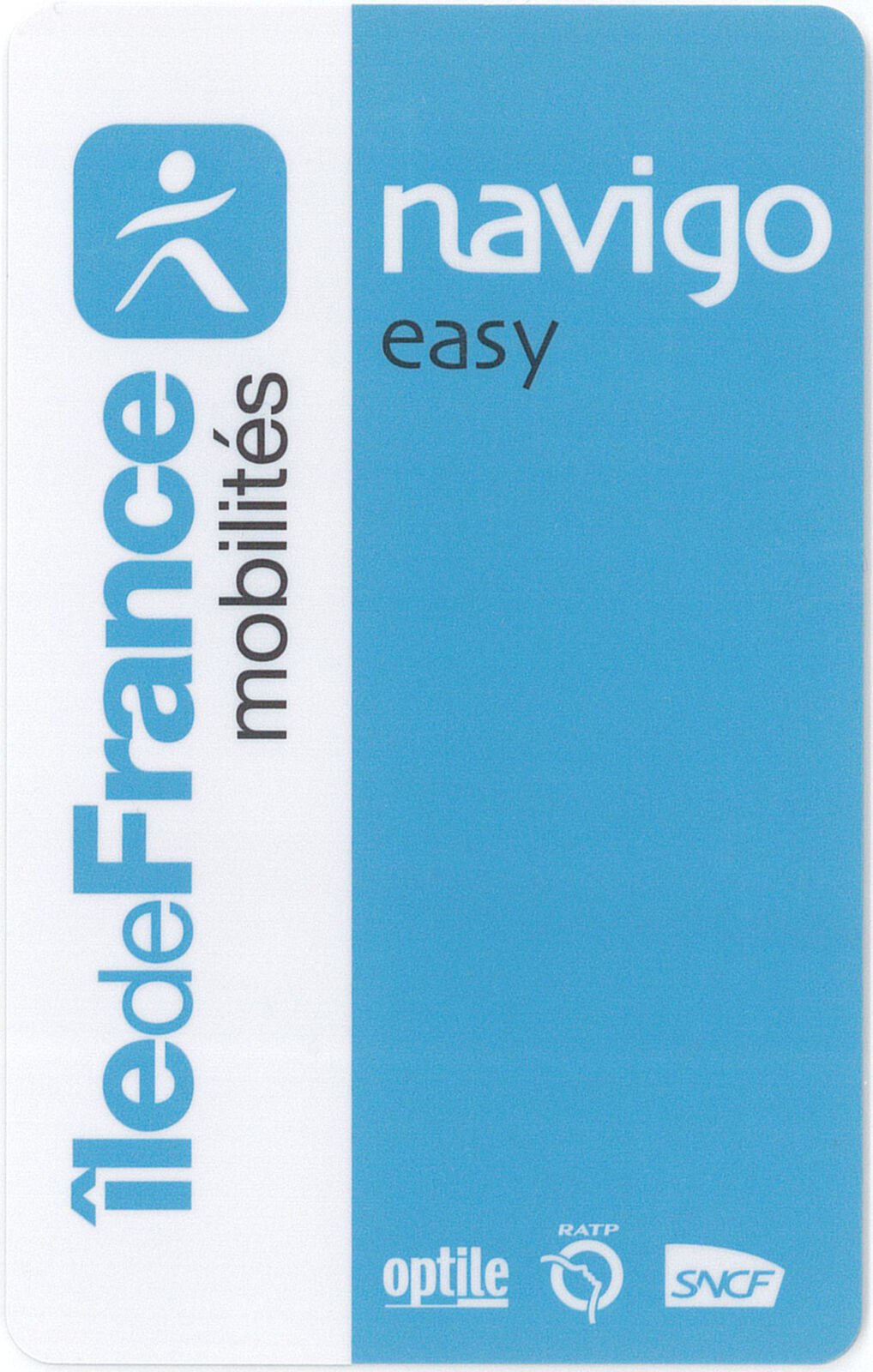
The simplest option for tourists: buy a Navigo Easy card (€2, rechargeable) at any station machine. From your phone you can also use Apple Wallet (iPhone) or the Île-de-France Mobilités and Bonjour RATP apps (Android), and top up through platforms like SNCF Connect.
Transfers and discounts
- A metro/RER ticket is valid for 2 hours with transfers within that network; a bus/tram ticket is valid for 1h30 within its own. These are separate networks: a metro ticket won’t let you board a bus, or vice versa.
- The exception is the Navigo Liberté+ service (rechargeable card): with it you can combine metro/RER and bus/tram on the same trip.
- Children: free under age 4; half price from age 4 to 9.
- A carnet of 10 trips works out cheaper than buying tickets one by one.
(Prices reviewed every January.) You can download the official up-to-date map on ratp.fr.
Always check the final destination
Here’s the detail that confuses almost everyone arriving for the first time: each line runs in two directions, and in Paris directions are not indicated as “north” or “south,” but by the name of the last station, meaning its final destination.
For example, on line 1 you’ll see signs that say “direction La Défense” on one side and “direction Château de Vincennes” on the other. Before heading down to the platform, check which terminus your train is heading to so you don’t go the wrong way. Every station has a panel listing all the stations on the line in order — like the one in the photo — which helps you get your bearings and confirm your direction at a glance.
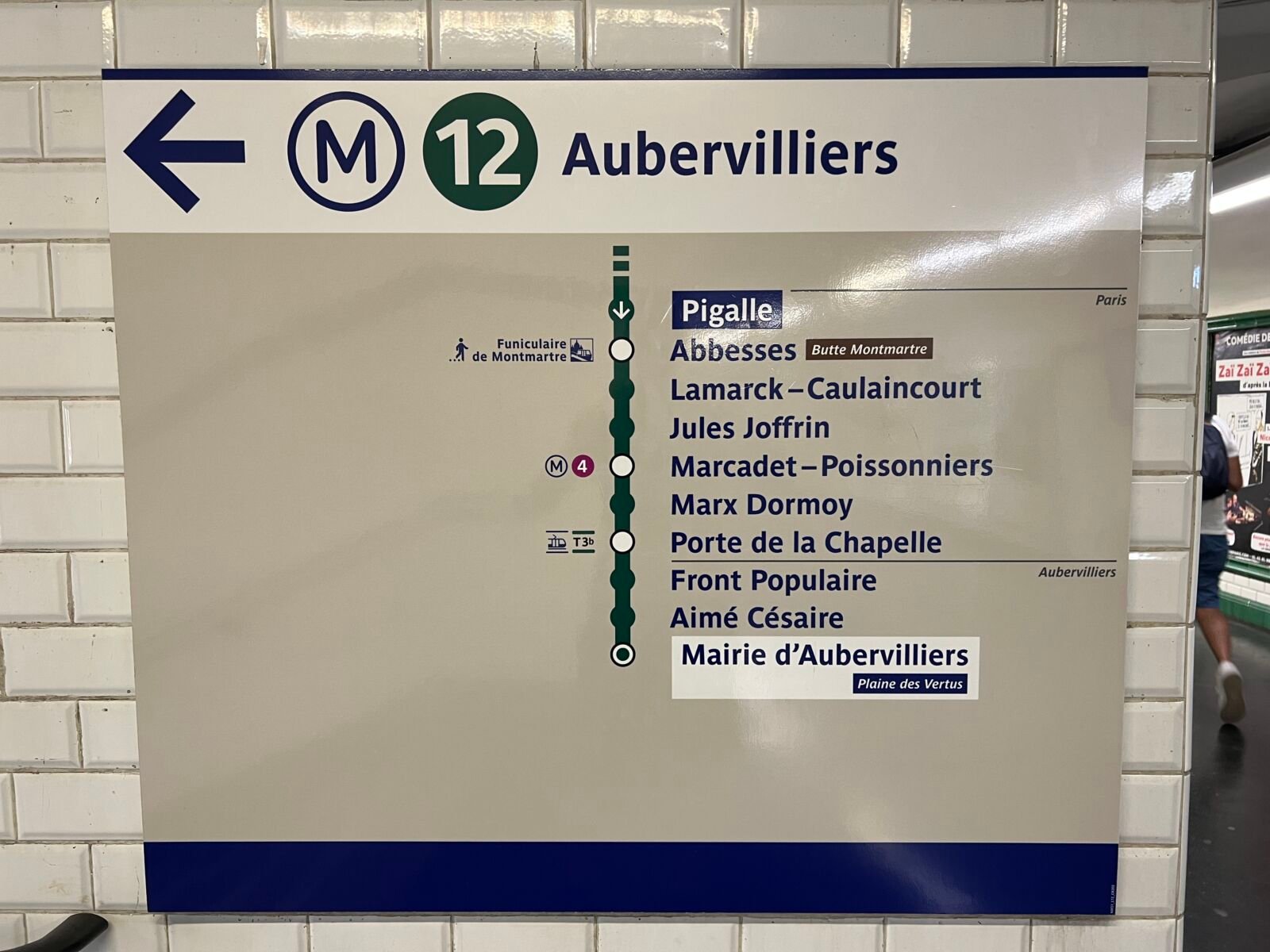
One last tip: keep your ticket until you exit the station (there are inspections), and keep an eye on your belongings on the more touristy lines.
✈️ From the airport (watch the price!)
Here’s the surprise: a regular ticket does not work to get to or from the airport. You need the special “Paris Region ↔ Airports” ticket, around €14 (valid for both Charles de Gaulle and Orly, good for 2 hours). It’s a separate airport fare.
If you’re traveling on a tight budget, there are regular city buses that get close to the airports for €2.05… but they’re quite a bit slower. Your choice: time or money.
And what about Guatemala?
After so many years riding the metro in Paris, I can’t help but think about Guatemala. The capital still doesn’t have a metro: for now, the Transmetro (those buses with their own dedicated lane, running since 2007) is the closest thing. But there’s a project that promises to change things: the Metro Riel, a light rail line that would connect Centra Sur with Centra Norte — about 22 stations, a roughly 41-minute ride — using the existing rail line. It’s still in the study phase, with the first stage expected around 2027.
Paris opened its metro in 1900, 125 years ago now. Guatemala City might open its first urban train in 2027. And who knows… maybe one day we’ll write a practical guide here for the Metro Riel.
Tell me in the comments: have you already used the Paris metro? Or are you hoping the Metro Riel becomes a reality?
*Photos: Wikimedia Commons — Abbesses © Thomas Geoffray (CC BY-SA 3.0); historic construction photo and Navigo card, public domain / CC0; line 14 © Andrzej Otrębski (CC BY-SA 4.0); cardboard ticket, public domain; line panel © Chabe01 (CC BY-SA 4.0). To be replaced with original photos.



Aún no hay comentarios